Planning an A-Frame Cabin: Permits, Septic, Power and Footings
The short version
The first episode of an A-frame cabin build on a quarter-acre-plus mountain lot covers architect plans, engineering, the permit application and contractor bids. It then follows the excavation: a too-steep driveway, septic drain field placement, temporary power and footings dug 36 inches past the frost line. Costs the creator states are included.
Full written account
A couple who had just spent a year rebuilding a house bought a little over a quarter acre of mountain land in Idaho to build an A-frame cabin of roughly 1,900 square feet, with the creator acting as his own general contractor. He says he has no idea what he is doing but is researching as much as he can. The first stretch took about two months of prep, covering research, permitting and lining up trades.
Plans, engineering and the permit
The first step was a local architect, who laid out the plot, the setbacks from the property lines and an animated version of the property. The architect charged $125 a square foot, which came to about $2,200 for plans and revisions. Another $2,000 went to send the plans to an engineer to confirm the design is sound and will pass codes and regulations. A site plan sketch shows where the drive goes and which way the house faces. Where he lives, formal approval usually takes 3 to 4 weeks, and he says he paid $30,000 for the whole process.
Bids and trades
He says building typically runs about $350 to $400 per square foot, and the only way to learn whether you can afford it is to get bids. The first five contractors to find are an excavator, a concrete contractor for the footings, a framer, an electrician and a roofer. The excavator, Tanner from Ultimate excavation, handles the driveway, pad, footings, septic and utility lines in order, and his bid included the septic system.
Driveway and septic problems
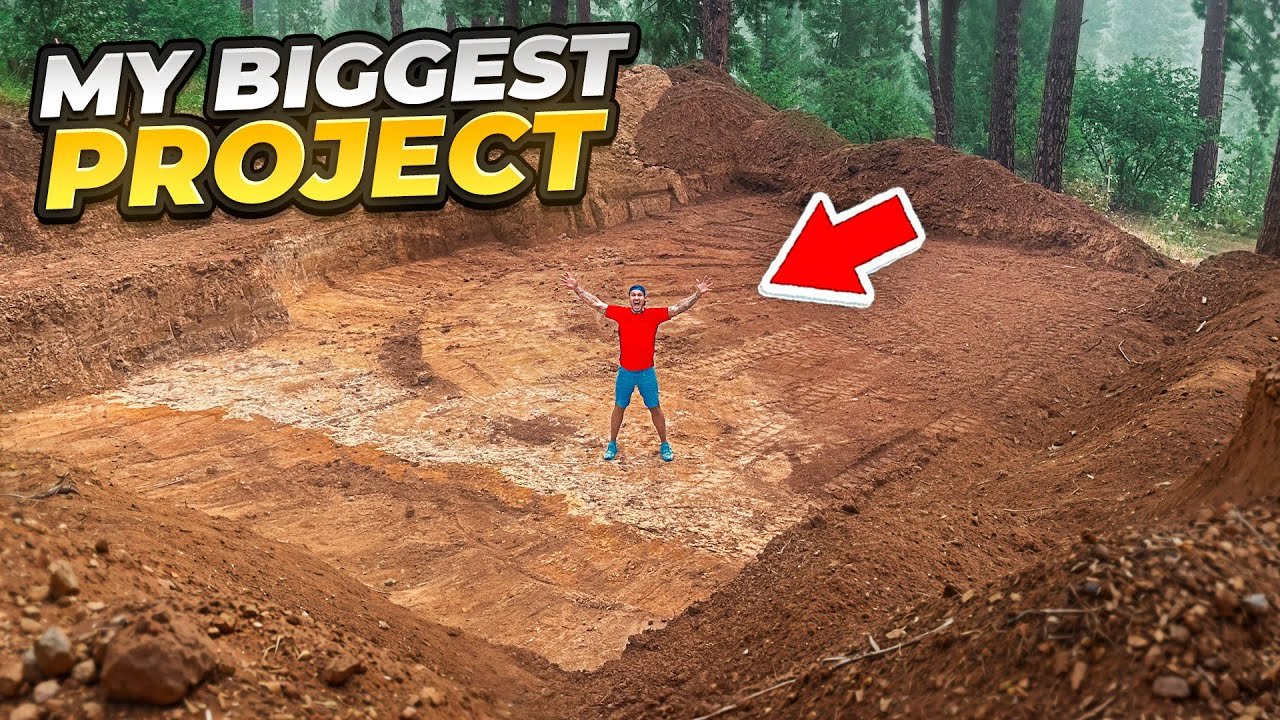
After the driveway was cut, the excavator needed four-low to drive his truck back up, which would be a problem in snow. The septic inspector was also unhappy with the layout. The two drain fields are about 55 to 56 feet long, must sit 20 feet from the road, and must be at least 6 feet apart. To avoid cutting more trees, the plan runs the first line across and the second on the other side of a tree. The plans also include about four feet of patio, so the pad had to be extended. The long driveway became a flat pad that fits two cars and lets them back out.
Power and footings
The power company ran a line from the existing one to the property, and Noah from Red Dog electric set a temporary post with a meter, two 20 amp outlets and one 30 amp outlet. That step cost about $4,500, and he says to expect roughly $5,000 to $7,000 to get power to a property. Window lead time is 6 to 8 weeks, and he wants the cabin dried in before snow in November. The footings must be 36 inches past the frost line, made up of 8 inches of footing plus the stem wall, with some height above grade so water slopes away. The concrete crew is due the following week, then the framers and roofers.
Questions this video answers
What is being built?
Over a quarter acre of land in the mountains, for an A-frame cabin of roughly 1,900 square feet.
How much did the architect plans cost?
The architect charged $125 a square foot, which came to about $2,200 for plans and revisions, plus $2,000 to send the plans to an engineer.
How long does the permit take?
He says it usually takes 3 to 4 weeks where he lives to get formal approval, and he says he paid $30,000 for the whole process.
What does he say building costs per square foot?
He says building typically costs about $350 to $400 per square foot.
What problem came up with the driveway?
The driveway was too steep, so the plan changed to a flat pad where two cars can park and back out.
How much did power cost?
He says running power to the property cost about $4,500 in Idaho, and that you could be looking at roughly $5,000 to $7,000.
Explore related projects
Connected by the topic: Framing