How to Mix Drywall Mud: Five Consistencies for Each Coat
The short version
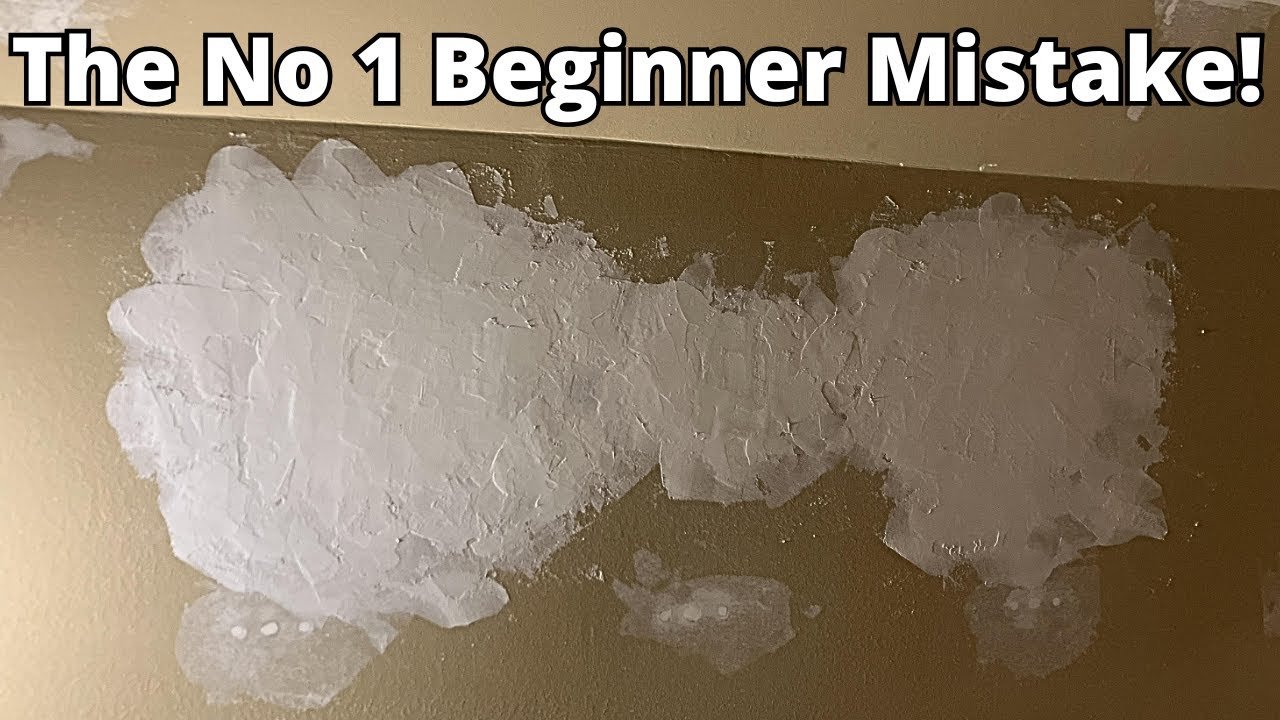
The most common beginner drywall mistake, according to Vancouver Carpenter, is using joint compound straight from the box without mixing it. He compares unmixed mud with mixed mud and demonstrates about five consistencies for different tasks: hand taping, first coat, final coat, Super Taper use, and tube-and-flusher use. He notes that added water cannot be taken back out and that wetter mud shrinks more.
Full written account
Vancouver Carpenter points to one cause behind many badly finished drywall jobs: mud used straight from the container. Prompted by a photo of a lumpy patch, and by commenters who said they watched his videos but could not get their mud to move like his, he concludes that people are simply not mixing their mud. He then shows the same compound at several consistencies, each suited to a different task.
Mud straight from the box
Unmixed mud is full of air and quite thick. Spread on the wall it goes on slowly and is very dry. Applying tape with it is possible, but he says inexperienced people often cannot get the mud out from underneath before it starts drying. Pressing too hard pulls out all the mud, and some must stay under the tape for adhesion.
Thick compound has narrow uses. It is good for a first coat on screws because it doesn't shrink very much, and for pre-filling joints if you don't have quick set. Mixed with no water added, it spreads far more easily, and he would use it only for a very proud corner bead, around a 1/4 in., that needs a deep fill.
Taping and first coat
For taping by hand, the mud should drip down and have some movement. A couple of passes wipe it out while leaving a little underneath, which he calls a fairly ideal amount for adhesion.
First-coat mud, for butt joints and corner beads, drips slightly slower and would eventually fall off the wall if left. It shows a bit of porosity when spread. On a butt joint he feathers the edge, makes passes down each side to push mud into the middle, then one more to flatten it, leaving a broad flat spot with most of the mud at the edges where it shrinks the most. Mixed with a couple of quick scoops of water, it is still pretty thick but good for first coats. The downside is that a full day of coating with mud this thick can make the shoulder sore.
Final and second coats
Mud this thick is too thick for a final coat. A final coat leaves little material on the wall and takes a lot off, so moisture is lost, and the mud needs to be wetter. It drips faster and, after wiping, shows no porosity and edges needing very little sanding. A wetter mix is also a great second-coat consistency, and good for hand taping or applying tape on corner beads.
Thin mixes
For taping with a Super Taper, the mud is thinner still and very soupy. It is hard to work with by hand, though not bad for a tight skim coat. Thinnest of all is mud for tubes and flushers, where big bubbles show it is right. This mix shrinks a lot and is hard to wipe out without porosity. He now uses a corner box, which is assisted and lets him use much thicker mud. He sees no reason to thin mud this much except for tools like tubes and flushers or a Bazooka autotaper.
Adding water
Water can't be taken back out, so he advises care. Because taping mud has to be the runniest, it must be thickened for other parts of the job. He uses thin taping mud for taping and all-purpose light mud, similar to USG Plus 3, which he says is the Canadian sister company's version, for the rest.
Questions this video answers
What is the number one drywall mud mistake for beginners?
Working with the mud straight out of the container without mixing it, which makes it too thick to use.
Why does mud need to be wetter for a final coat?
A final coat leaves little material on the wall and a lot is pulled off, so moisture is lost; the mud starts out wetter.
What is thick mixed mud good for?
A first coat on screws, pre-filling joints when you don't have quick set, and deep fills on proud corner beads, because it shrinks less.
Does adding more water change shrinkage?
Yes. The more water added, the more the mud shrinks.
Can you take water back out of mud?
No. Once water has been added it can't be removed, so add it carefully.
What mud does he use?
Taping mud for taping, thinned, and all-purpose light mud, which he says is similar to USG Plus 3 and comes from the Canadian sister company.
Explore related projects
Connected by the topic: Drywall