Fixing a Dripping Faucet: Replace the Spring and Washer
The short version
A plumber shows six steps to fix a dripping faucet: gather tools, shut off the water at the angle stop, remove the handle, pull the packing nut and cartridge, replace the spring and washer, then reassemble and check for leaks. He finds the leaking side by shutting off hot and cold separately and says to call a plumber if the problem persists.
Full written account
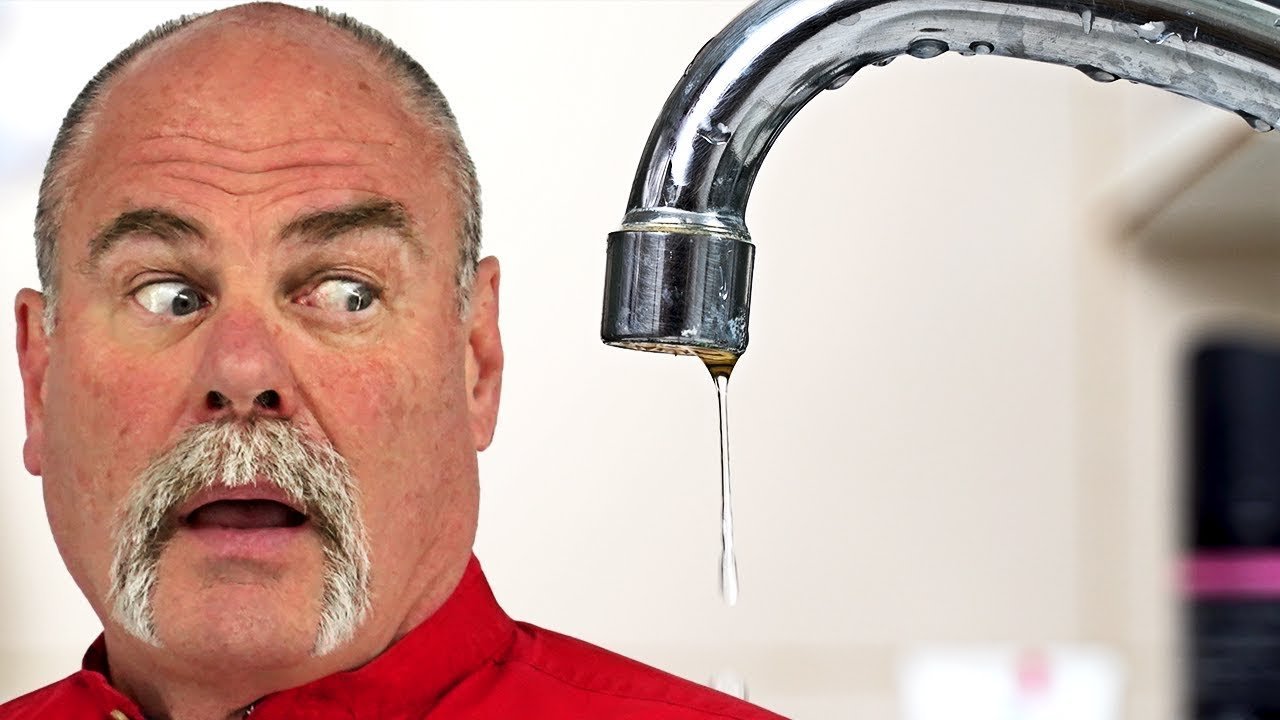
A dripping faucet can be traced to one side with a simple test: shut off the hot angle stop, watch the faucet for a minute, then shut off the cold. In this demonstration the drip kept going with the hot side off and stopped immediately when the cold side was closed, showing the leak was on the cold side. The video, from Roger Wakefield Plumbing Education, lays out six steps for fixing it.
Find the leaking side
The first step is gathering tools: a screwdriver, an adjustable wrench, needle nose pliers and a pick tool for pulling out small washers and springs. The second step is turning off the water. A rag protects the counter and holds the tools. The plumber turned off the hot angle stop first, saw the dripping continue, then closed the cold side and the drip stopped. He turned the hot side back on. He notes that since the faucet is already being opened, a homeowner might rebuild the other side too.
Take it apart
The handle comes off with a screwdriver, and the handle is set on the rag to avoid scratching or chipping the countertop. Next, check that the packing nut is tight, since a loose one could keep the cartridge from seating on the spring and washer. A wrench is used to loosen it, and a strap wrench is sometimes preferred. On a hot side, he would open the pressure first so water drains out.
With the cartridge out, look at its bottom: stainless steel or ceramic pieces should be clean and free of scratches. Down in the hole sits a round rubber washer with a spring beneath it, about finger deep. A pick tool pulls both out, taking care not to push against the brass and scratch it. The spring and washer are all that needs changing unless the cartridge itself needs replacing.
Reassemble
The new spring is tapered on one end, and the tapered end goes inside the washer; forcing the larger end in causes problems. Pushing the washer up and down should show it moving slightly. Heat proof grease is optional, and some plumbers use it. The cartridge has a notch that lines up with notches in the faucet. The flat side faces the handle side, and the holes must move toward the washer when the handle turns so water can flow. The nut goes on hand tight, then the wrench is used only until it touches, not to overtighten. Caps marked hot and cold go on their matching sides.
Test it
Open the handle after shutting off the water to confirm it is really off, because a bad washer in the angle stop could cause a flood during disassembly. After reassembly, turn the cold side back on and look around the handle for drips. If a leak remains, repeat the steps. Wrong springs, washers or cartridge could be the cause, and if the faucet can't be fixed, the video says to call a plumber.
Questions this video answers
How do you tell whether the hot or cold side is leaking?
Turn off the hot side's angle stop first and watch; if it still drips, turn it back on and shut the cold side. In the video the drip stopped when the cold side was shut off, so the leak was on the cold side.
What tools are needed?
A screwdriver, an adjustable wrench, needle nose pliers and a pick tool, plus a rag to protect the counter. A strap wrench is sometimes used on the packing nut.
What parts are replaced in the video?
The spring and rubber washer under the cartridge, unless the cartridge itself needs replacing. The tapered end of the spring goes inside the washer.
How do you avoid a flood?
Turn the water off at the angle stop, open the handle to confirm the water is really off, and keep a rag handy. The video notes a bad washer in the angle stop could allow a flood.
What if it still leaks?
Repeat the steps. If it still leaks, wrong springs, washers or cartridge may be the cause, and the video says you may need to call a plumber.
Explore related projects
Connected by the topic: Plumbing