Torn Drywall Paper: Primed vs Unprimed Patch Test Results
The short version
A test on torn brown drywall paper compares a primed patch with an unprimed one, both finished with 40-minute setting-type mud and water-based paint. Neither side blistered after painting. The creator concludes that thorough removal of all loose paper matters most, that about an eighth of an inch of quick-set mud locks down potential blisters, and that priming remains best practice.
Full written account
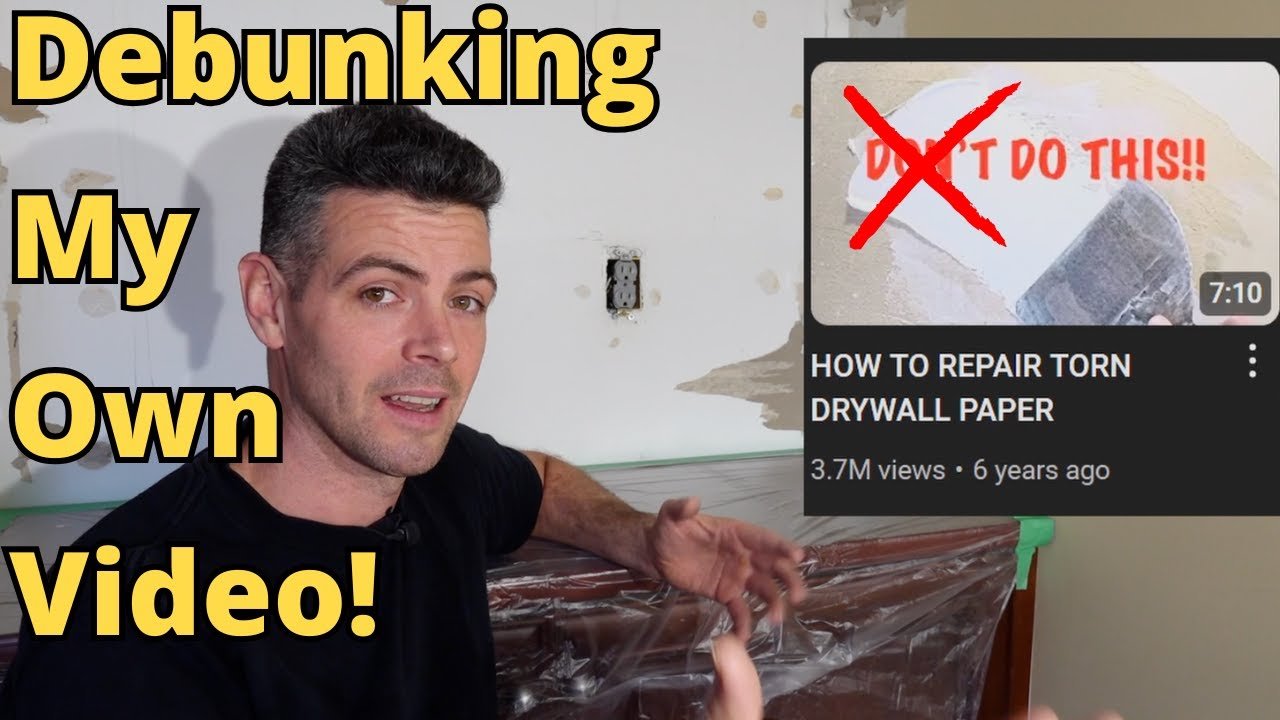
Vancouver Carpenter tested whether torn brown drywall paper really must be sealed before it is mudded. On a wall nobody will see, he repaired one side primed and one side unprimed. After painting, neither side showed blisters, and he says the result comes down to preparation.
Prep comes first
The number one mistake, he says, is not removing all the loose paper. Even a piece that is primed may still blister. He scores gently with a sharp knife and lifts edges with a putty knife, taking care not to cut deeply into the drywall, only enough to take off the face layer. The face paper separates from the layers below it, and he says damaged areas sometimes spread farther than they first looked. Tapping lets him hear blisters. He calls the work painstaking and says it is sometimes easier to replace the board.
Priming options
His favorite primer is BIN shellac, which dries bone dry in about an hour. The smell is bad at first but fades quickly. He says oil-based primer needs a solid 24 hours before a water-based coat. He dislikes Gard, a water-based product he compares to thinned wallpaper sizing, because it blistered badly for him. Spray adhesive works well, and he has also used plain carpenter's glue. He applies primer with a roller with some nap, or a brush, to push it into crevices, and avoids no-nap rollers and spray primers. After drying, a very gentle sand flattens raised paper.
Mud and the test
He uses 40-minute setting-type mud, mixed thick, because it is more stable and less moisture soaks into the paper. The unprimed side showed small blisters under the first coat. A second, thicker coat, about an eighth of an inch, went over the set first layer, and blisters underneath could not come through. He says that on his jobs he primes about 75% of the time and skims heavily without priming about 25%.
Finish
After all-purpose mud, some quick set had delaminated slightly, which is why he dislikes two coats of quick set in a day. He primed with BIN, wearing a respirator, and applied water-based paint. Both sides had no blisters. He still recommends primer as best practice, but says an unprimed repair can work if the prep is thorough.
Questions this video answers
Do you have to seal torn drywall paper before mudding?
In the test, the unprimed side also came out without blisters after paint. The creator says it comes down to prep, but priming is still best practice.
What is the most common mistake?
Not removing all the loose paper. Even primed, loose pieces can still blister.
Which mud does he use?
40-minute setting-type mud, which he finds more stable. A coat about an eighth of an inch thick locks down potential blisters.
What primer does he prefer?
BIN shellac primer, which dries in about an hour. He says the smell is bad at first. He also mentions spray adhesive and carpenter's glue, and dislikes water-based Gard.
How can you find blisters?
Tapping on the surface lets you hear them.
Explore related projects
Connected by the topic: Drywall