Drywall Repair Methods for Dents, Nail Pops, Holes and Corners
The short version
Covers several drywall repairs: small dings with spackle, popped nail heads, doorknob holes with a patch kit, the California patch for holes six inches and smaller, and larger holes patched with furring strips. It also covers repairing a damaged corner bead and matching textured walls.
Full written account
Small dings, dents and popped nails
For small dings and dents, scrape away loose debris, apply lightweight spackle over the hole and let it dry. If the hole isn't filled, add more spackle, then sand smooth.
For popped nail heads, drive a drywall screw about 1-1/2 inches above or below the nail to hold the drywall. Then drive in the popped nail, spackle and sand.
Doorknob holes
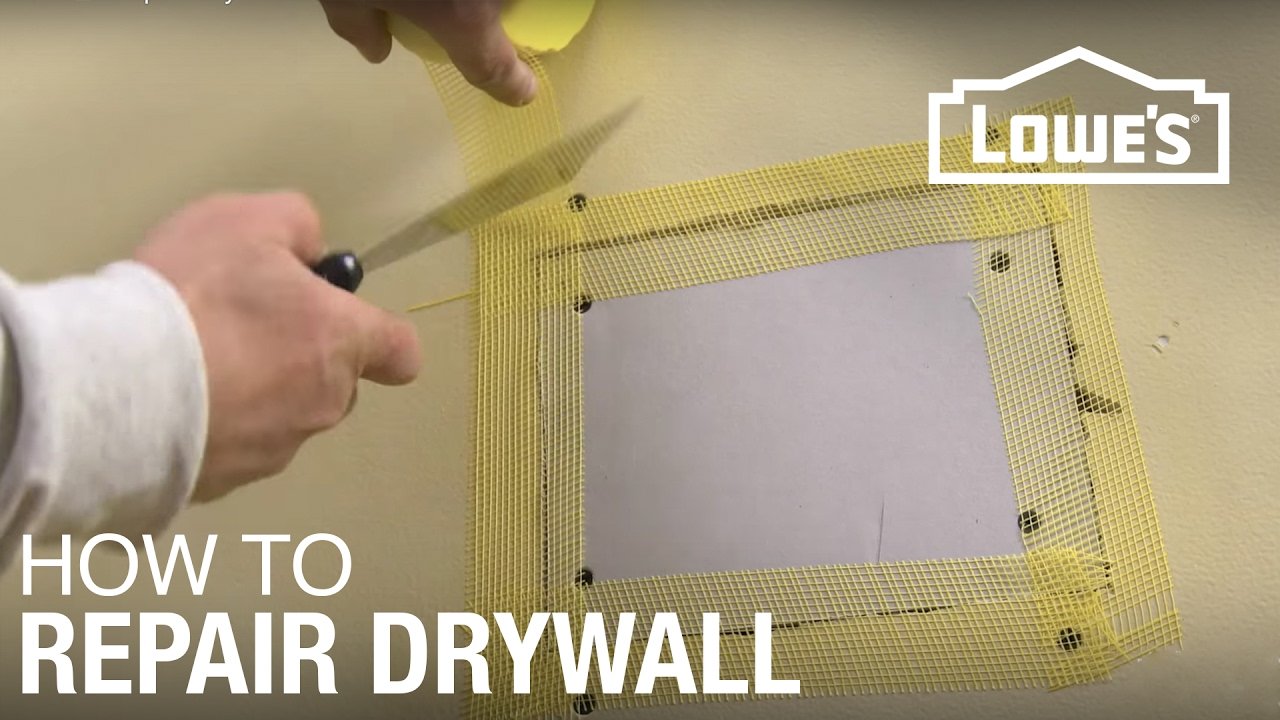
A small patch kit fixes holes from a doorknob. Stick it over the hole, then use a drywall knife to cover it with lightweight joint compound in a crisscross pattern. Feather the edges so it blends with the wall, let it dry, and add another coat if necessary.
The California patch
The California patch suits holes six inches and smaller. Cut a new piece of drywall about two inches bigger than the hole. Score the back about an inch from each side and snap off the loose gypsum, leaving the paper backing. Hold it over the hole and mark around the gypsum, then cut out that area with a drywall saw. Apply joint compound to the back of the paper, press it into place and cover with a couple of coats of joint compound.
Larger holes
For larger holes, cut a piece of drywall a little bigger than the hole, hold it over the hole, trace it and cut along the lines. Hold small furring strips inside the hole on two sides and secure them with screws. Set the patch in place, secure it to the furring strips, and apply joint tape and compound.
Damaged corners
For a dinged corner, cut the damaged corner bead with a hacksaw and use a knife to cut the drywall. Remove the damaged piece and cut a new corner bead to fit. Secure it, then apply joint compound to the corner.
Finishing and texture
Finish all repairs with a light sanding, primer and paint. On a textured wall, lightly sand the repair to blend with the surface. Mix 4 parts joint compound to 1 part water, dip a stiff brush and flick it onto the wall in a forward motion. Texture spray is another option: shake the can, adjust the nozzle and spray in a circular motion about 6-18 inches from the wall. For a knockdown finish, lightly flatten the texture with a drywall knife.
Questions this video answers
How do you fix a small dent or hole in drywall?
Scrape away loose debris, apply lightweight spackle over the hole, let it dry, add more if needed, then sand smooth.
How do you fix a popped nail head?
Drive a drywall screw about 1-1/2 inches above or below the popped nail to hold the drywall, then drive in the popped nail, spackle and sand.
What is the California patch?
It is a fix for holes six inches and smaller: cut a new piece of drywall about two inches bigger than the hole, score the back about an inch from each side, snap off the gypsum but keep the paper backing, and cut out the marked area with a drywall saw. Then apply joint compound to the paper, press it into place and cover with a couple of coats of compound.
How do you match a textured wall?
Mix 4 parts joint compound to 1 part water, dip a stiff brush and flick it onto the wall, or use a texture spray from about 6-18 inches away. For a knockdown finish, lightly flatten it with a drywall knife.
Explore related projects
Connected by the topic: Drywall