Insulating an Old Attic: Air Sealing Vented and Conditioned Roofs
The short version
Explains how to insulate and air seal an existing attic without causing condensation and mold. It separates vented attics, where the ceiling plane must be made airtight before adding insulation, from conditioned attics, where options include rigid insulation outboard of the sheathing, closed-cell spray foam, or netted blown-in insulation with a vapor diffusion port. It gives no time, cost or tool list.
Full written account
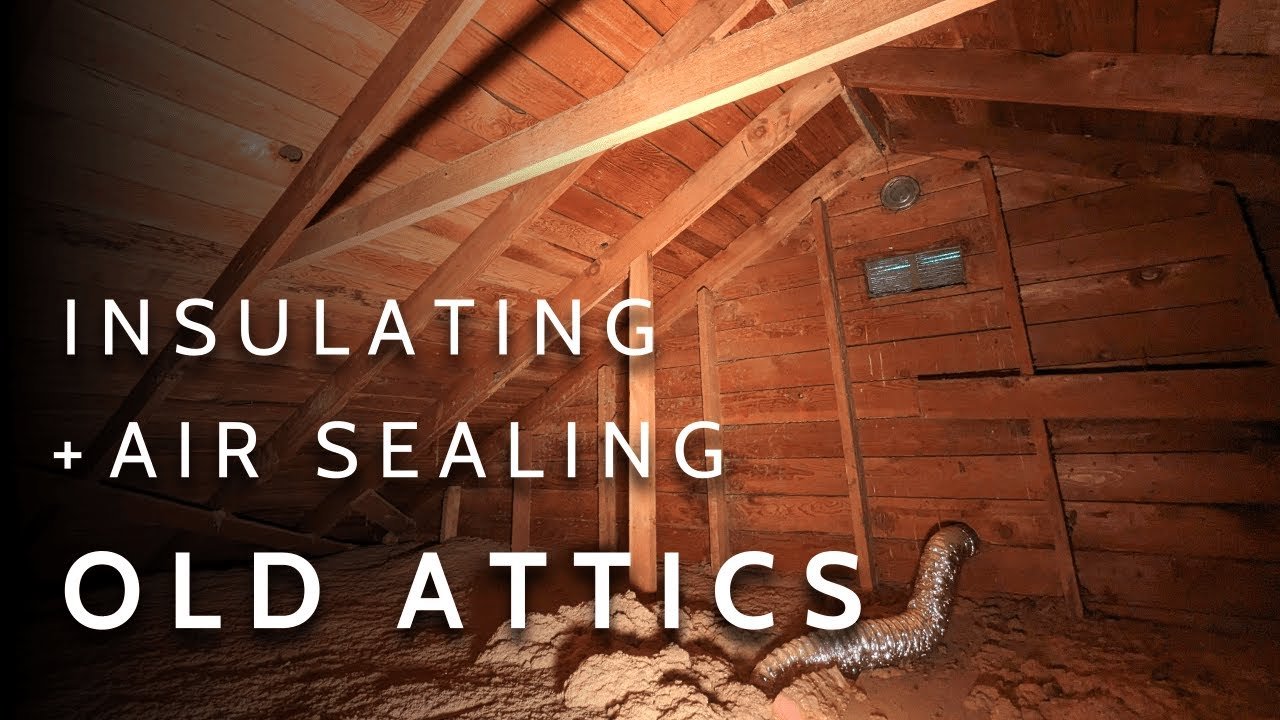
Insulating an old attic can cause condensation and mold on the underside of the roof sheathing if it is done the wrong way. Building-science channel ASIRI Designs lays out two routes for existing homes: a vented attic flushed with outside air, or a conditioned attic kept at the same temperature and relative humidity as the living areas. An attic that is neither clearly inside nor outside is the one to approach most carefully, because deterioration is often found there.
Why old buildings tolerate poor insulation
Many older buildings have lasted because they were poorly insulated. The abundant heat flow helped dry out any moisture and kept potential condensing surfaces warm. Adding insulation, especially interstitially, changes that, since the attic space becomes a lot colder.
Vented attics
Vented attics were meant to remove moisture in cooler and dry climates and to help prevent ice dams by uncoupling the conditioned space from the roof assembly. That did not always work if a lot of warm interior air reached the attic, because it could warm the underside of the sheathing enough to melt snow.
Retrofit insulation makes the attic colder, and relative humidity rises because cold air holds less moisture. Moisture also arrives from the house through air leakage and vapor diffusion, and the wood framing, a hygroscopic material, gains moisture content. The result can be condensation that is hard to dry, with mold on the underside of the sheathing reported in cold climates.
The key is an airtight ceiling, sealed before any insulation goes in, because air leakage causes most moisture issues unrelated to bulk water leaks. Options include:
- Sealing from above every recessed fixture and the holes in top plates of exterior and interior walls, using expanding foam and airtight enclosures. Enclosures can be built from rigid foam such as polyiso, taped or sealed with foam or caulk, or bought prefabricated in plastic or mineral wool. Fire-resistant caulk or foam may be needed if the lights are not rated for insulation contact. Exhaust fans, ceiling fans, pendant lights and chandeliers need the same attention.
- Using a water-based aerosolized sealant, sprayed into the air while the building is pressurized to drive it toward leaks. The attic vents can also be closed temporarily, the house depressurized, and sealant sprayed into the attic. This avoids damaging interior finishes.
- Removing the ceiling drywall and installing an airtight smart vapor retarder membrane, taped rigid foam board, or sealed rigid wood fiber board under the joists or rafters, sealed to penetrations and top plates.
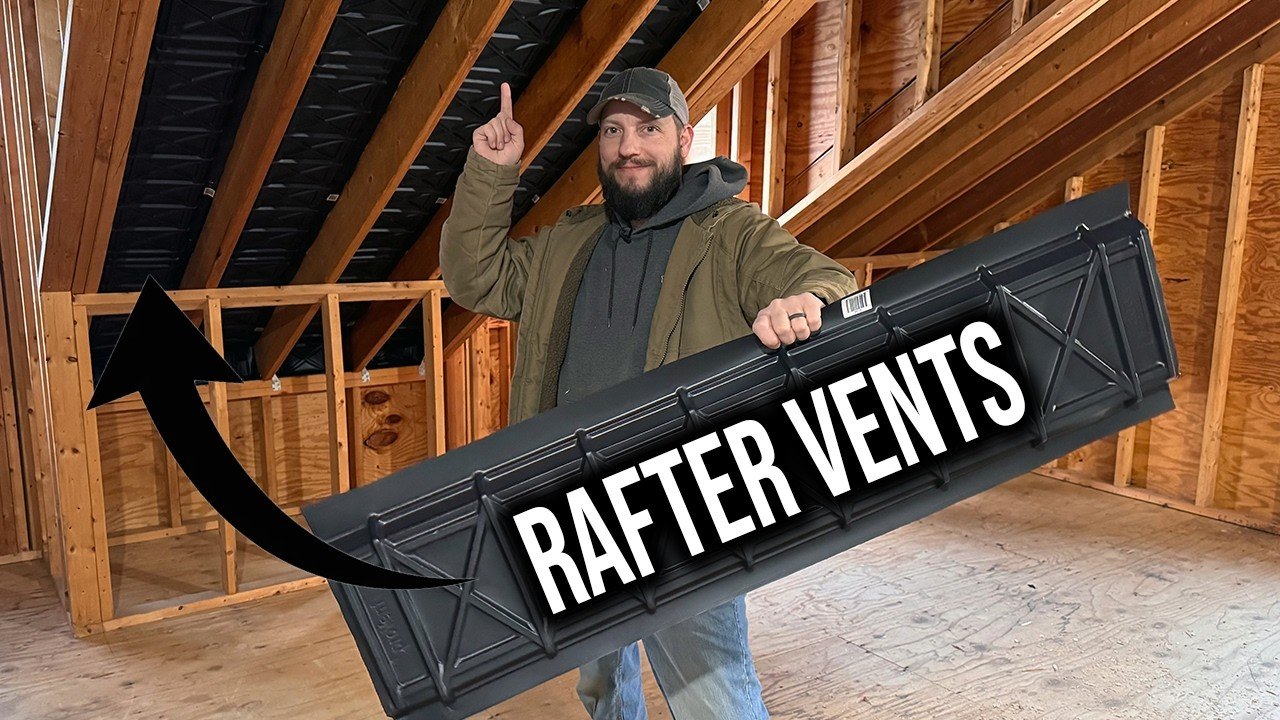
Attic access is often limited, and a shallow roof pitch can make sealing from above hard. Once one strategy is chosen, any blown-in or unfaced batt insulation works, including cellulose, mineral wool, sheep's wool, wood fiber, denim and hemp. Each rafter or truss bay must be vented continuously at the soffit, with a baffle at the top plates to keep insulation from clogging the soffit vents.
Conditioned attics
A conditioned attic keeps moisture-sensitive components inside the conditioned space. The best long-term option is rigid insulation outboard of the sheathing, at a ratio suited to the climate zone. It is also the most expensive: it needs a couple of layers of rigid insulation, a new air barrier between the insulation and sheathing, an extra layer of sheathing, new underlayment and roof covering. In a cold climate, sleepers or outriggers add a ventilation channel to prevent ice dams.
Closed-cell spray foam can be applied under the sheathing between rafters or trusses at a thickness that varies by climate zone. The channel reports spray foam issues when it is applied inside the interior pressure boundary, with off-gassing that can continue for several months to over a year and irritate chemically sensitive people, and generally recommends avoiding it on the inside.
In a warm climate, netted blown-in insulation can be used alone with a vapor diffusion port at the ridge, a watertight, airtight but vapor-open membrane that lets moisture at the peak dry out. Mechanical ventilation is also recommended. In colder or mixed climates the port can be combined with a taped smart vapor retarder membrane, plus self-adhered or fully adhered roof underlayment and a ventilated roof covering such as standing seam metal or cedar shakes. A vented roof over the conditioned roof may be added for ice dam prevention.
Questions this video answers
Why can insulating an old vented attic cause mold?
Insulation slows heat flow into the attic, making it colder. Cold air holds less moisture, so relative humidity rises, and the wood framing takes up moisture. Condensation then has a hard time drying out.
What should be done before insulating a vented attic?
Air seal the ceiling plane so it is completely airtight, since air leakage causes most moisture issues not related to bulk water.
Which insulation materials work in a vented attic?
Any blown-in or unfaced batt insulation: cellulose, mineral wool, sheep's wool, wood fiber, denim or hemp. Each rafter or truss bay must be vented continuously at the soffit, with a baffle at the top plates.
What is the best way to insulate a conditioned attic?
Rigid insulation outboard of the sheathing is the best long-term strategy but also the most expensive, needing layers of rigid insulation, a new air barrier, extra sheathing, new underlayment and roof covering.
What is a vapor diffusion port?
A watertight, airtight but vapor-open membrane installed at the ridge so moisture collecting at the peak can dry out instead of being trapped.
Explore related projects
Connected by the topic: Insulation