What Your Water Heater Noises Mean: Normal Sounds vs. Problems
The short version
A plumbing educator explains common water heater noises: humming, ticking, crackling, popping, whistling or screeching, rumbling, water hammer and hissing. He says which can be normal and which point to sediment buildup, loose or partially closed valves or a leak. He recommends yearly flushing of a new heater and changing the anode rod after the first year.
Full written account
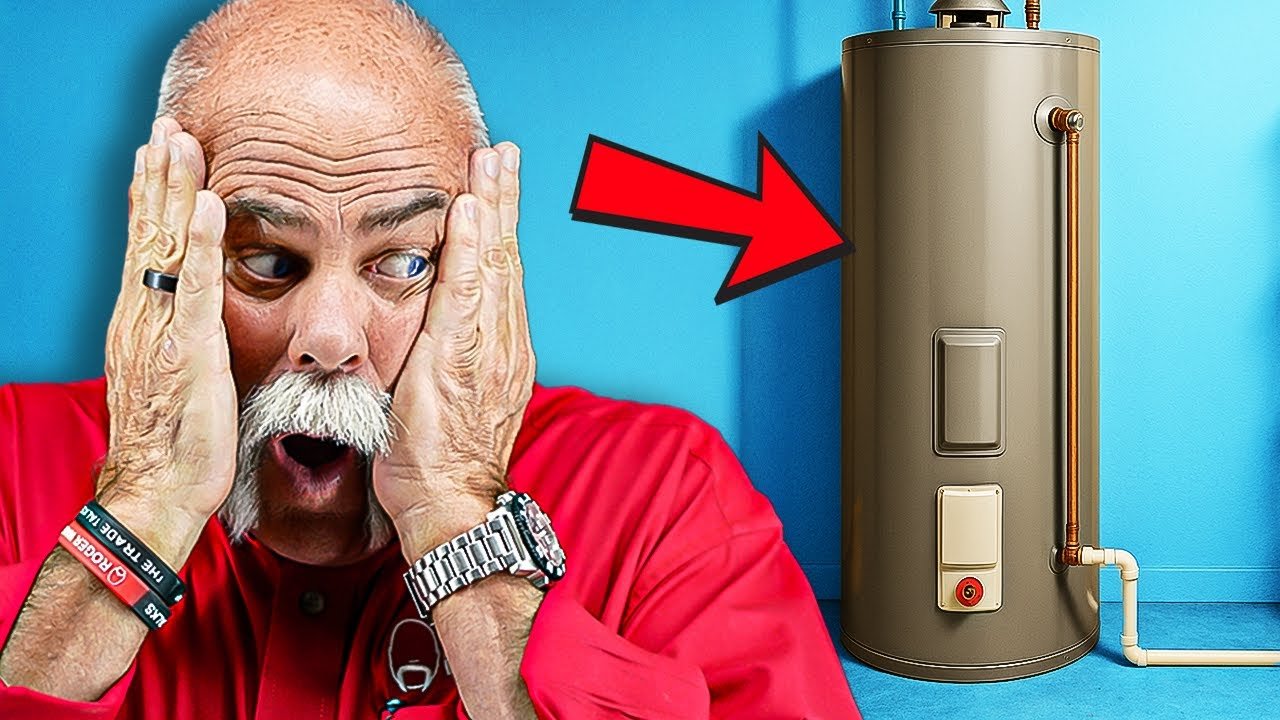
Rumbling is the water heater noise that normally scares people most, the sound of a train engine rolling around inside the tank. According to plumber Roger Wakefield, it can be a normal sound while a water heater is heating water, much like a pot on a stove that makes noise before it boils. It can also indicate sediment buildup.
Normal sounds
Humming is often normal when the heating element is operating. The thermostat energizes the element, which is what actually makes the water hot, and the water around it starts to heat.
Ticking or tapping can occur as the water heater expands and contracts during heating and cooling. It is heard on both electric and gas units. Wakefield hears it in the copper in the wall behind his master bathroom when hot water is running.
Popping can be normal, especially on a gas water heater. It may be burning off of sediment, or it could be a venting issue, though normally it is sediment. Particles or even a bug could come down the flue onto the burner. Once it burns off, the noise should be gone.
Crackling and sizzling
On a gas water heater, crackling can come from condensation on the burner. If the vent air comes out in a cold area, it can condense and drip back down the flue onto the burner, where the water boils off with a sizzle.
Whistling and screeching
Air escaping from loose valves, or water rushing through a partially closed inlet valve, can cause whistling or screeching. Wakefield says old gate valves should be replaced with a full port ball valve, and notes he has had a gate close in and get stuck.
Sediment, rumbling and maintenance
Sediment, such as calcium and magnesium buildup at the bottom, must be heated before the water, which costs efficiency. Sediment buildup can cause popping, rumbling, hissing and sometimes hammering. Wakefield suggests flushing a new water heater every year; if it is over about four years old, he probably wouldn't flush it. He also says replacing the anode rod after the first year can sometimes double the life of the water heater.
Water hammer and loose parts
Banging or knocking can be water hammer, caused by a sudden surge in water pressure, normally when a faucet is turned off immediately. Water hammer arrestors should be installed in certain areas of the plumbing system. Loose heating elements or valves can also cause humming or whistling, so he advises checking that they are snug.
Hissing and leaks
Hissing or sizzling can indicate a leak, especially around the heating elements or burner assembly. He advises opening the cover plates underneath and looking inside with a flashlight; there really shouldn't be any water there.
Questions this video answers
Is a humming water heater normal?
Often yes. Humming can be normal when the heating element is operating, as the thermostat energizes it and the water around it starts to heat.
What causes ticking or tapping?
It can be the metal expanding and contracting during heating and cooling. It is heard on both electric and gas water heaters.
Why is my water heater rumbling?
It can be normal while water is heating, but it can also indicate sediment buildup of calcium and magnesium on the bottom of the tank.
What causes whistling or screeching?
Air escaping from loose valves, or water rushing through a partially closed inlet valve, including a loose old gate valve.
How often should I flush a water heater?
He suggests flushing a new water heater every year; if it is over about four years old, he probably wouldn't flush it.
What if I hear hissing or sizzling?
Hissing or sizzling can indicate a leak, especially around the heating elements or burner assembly. Open the cover plates, shine a flashlight inside and look for water.
Explore related projects
Connected by the topic: Plumbing