Running Toilet: Telling a Bad Fill Valve from a Worn Flapper
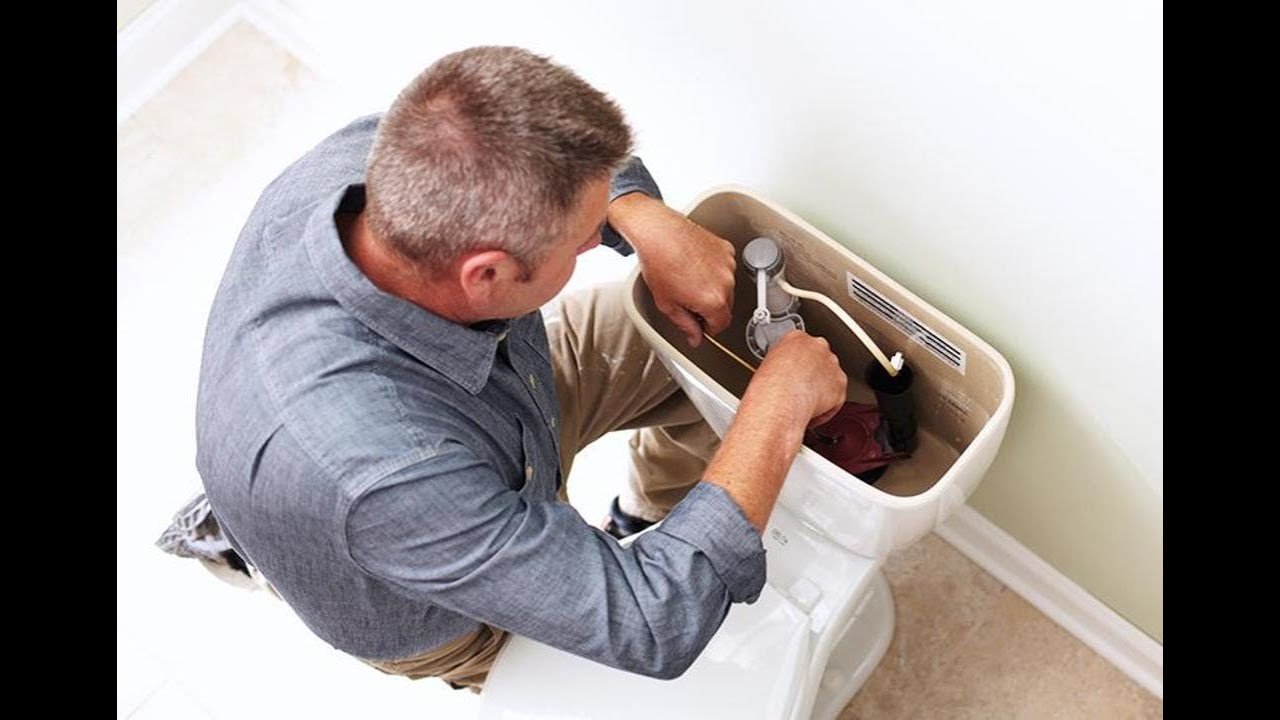
The short version
A Home Depot Canada tutorial on stopping a running toilet. It explains how to tell a fill valve problem from a flapper problem, how to adjust the float, and how to replace the fill valve or the flapper. It ends by turning the water on, flushing and adjusting the chain.
Full written account
A toilet that makes the sound of running water when it hasn't been flushed has a leak, and it comes down to two components: the fill valve or the flapper. Telling them apart takes one look inside the tank, after the lid is set somewhere safe and flat so it won't break.
Diagnosing the leak
If water runs constantly into the tank and into the overflow tube, the fill valve most likely needs adjustment or replacement. If the water runs intermittently but does not flow into the overflow, the flapper probably needs replacing.
Adjusting the fill valve
Lift the float cup and see if the water flow stops. If it does, the float may simply need adjustment. Most modern fill valves have a long spline running down the side. Turning the screw counterclockwise lowers the float cup and the water level below the overflow tube.
Replacing the fill valve
If adjustment doesn't solve the problem, the fill valve is replaced:
- Shut off the water at the stop valve behind the toilet.
- Flush the tank and vacuum the remaining water with a shop vac.
- Place a cup or bowl under the valve, then loosen the supply nut at the bottom of the tank counterclockwise.
- Use adjustable pliers to turn the retaining nut counterclockwise.
- Remove the fill tube from the overflow and lift the valve out.
For the new valve, the rubber washer goes on the bottom of the assembly with its cone facing down. Position the valve in the tank hole and secure it with the retaining nut, turning it clockwise with pliers without over tightening. Reattach the supply line nut and hand tighten it, attach the fill valve tube to the holder over the top of the overflow tube, and turn the water back on.
Replacing the flapper
An intermittent leak points to a faulty flapper. Turn off the water at the shutoff valve, then gently pull the flapper off the two studs on either side of the flush valve. Remove the chain from the flush handle lever. Thread the holes of the new flapper over the two studs and attach the chain to the handle lever so it does not pull the flapper open.
Turn the water back on and flush to check the repair. If the flapper doesn't seat properly, adjust the chain length. Finally, replace the tank lid.
Questions this video answers
How do I tell if the fill valve or the flapper is the problem?
Remove the tank lid and look at the water. If it runs constantly into the overflow tube, the fill valve likely needs adjustment or replacement. If it runs intermittently without flowing into the overflow, the flapper probably needs replacing.
How do I adjust the float on a fill valve?
Lift the float cup and see if the flow stops. If it does, turn the adjustment screw counterclockwise to lower the float cup and the water level below the overflow tube.
What should I do before replacing the fill valve?
Shut off the water at the stop valve behind the toilet, flush the tank, and vacuum the excess with a shop vac before loosening the supply nut.
How tight should the new fill valve nuts be?
Turn the retaining nut clockwise with pliers, being careful not to over tighten, and hand tighten the supply line nut.
What if the new flapper does not seat?
Adjust the chain length as needed if the flapper does not seat properly.
Explore related projects
Connected by the topic: Plumbing