Ice Dam Heat Cables, Furnace Upkeep and Snow Blower Care
The short version
A winter-weather episode of Ask This Old House covering ice dams, where an electrician installs a 60-foot electric heat cable with a temperature and moisture sensor on a roof, gutter and downspout. Kevin talks with Weather Channel meteorologist Jim Cantore about extreme weather and snow weight, a technician explains annual furnace service and filter changes, and Roger covers snow blower maintenance.
Full written account
Roof ice dams, furnaces and snow blowers all get attention in a winter-prep episode of Ask This Old House. The central question: how do you stop ice from damaging a house, and keep the equipment that fights winter running?
How an ice dam forms
An ice dam is a large block of ice along the lower edge of the roof. Snow melts on top of the roof, and the water runs down and freezes when it hits the cold overhang. As the ice grows, a reservoir builds behind it, and the water goes up under the shingles and enters the house. The crew warns against hammers, axes and chainsaws, which damage shingles and can injure people. One safer temporary approach: fill a sock with rock salt and throw it onto the roof to break a hole in the dam so water can exit.
Stopping the heat loss
The permanent fix discussed is insulation. With heat escaping through the attic floor, the guidance is a minimum of eight or nine inches of insulation, with added insulation laid perpendicular to the existing layer to seal air leaks. Another option is having a company spray foam the roof rafters, open or closed cell, which air seals and insulates.
A heat cable for a house with recessed lights
In one kitchen, the homeowner Gary had about two feet of ice back through the roof in February and water damage. The rafters are 10 inches deep, and in some areas seven inches is taken up by the recessed can, leaving three inches for insulation above it. Electrician Scott Karen said the cans act as chimneys, channeling heat to the roof, which melts snow that refreezes at the unheated eave.
His answer from the outside is an electric heat cable, laid in a zigzag on the roof and run in the gutter and downspout. The 60-foot cable uses about 300 watts. It plugs into a sensor that turns it on only below 38 degrees and when the sensing lead is wet. Scott secured clips to the shingles, laid the cable, mounted the sensors, and ran waterproof wire in conduit to a weatherproof box and receptacle. The wire goes through the sill into the basement panel on its own dedicated, GFCI-protected circuit.
Weather extremes
Meteorologist Jim Cantore recalled 110 inches of snow in Boston, an all-time record, with about 90 inches in 30 days. Light snow weighs about seven pounds per cubic foot; wet snow about 20. He advised keeping tailpipes and furnace and boiler exhaust pipes clear because of carbon monoxide.
Furnace and snow blower upkeep
A furnace should be serviced once a year, best in the fall, by qualified HVAC technicians. Homeowners can replace the filter, matching the labeled size and the airflow arrow, at least once per season. A combustion efficiency test on the older unit showed about 81.6%, against as high as 97% for modern furnaces.
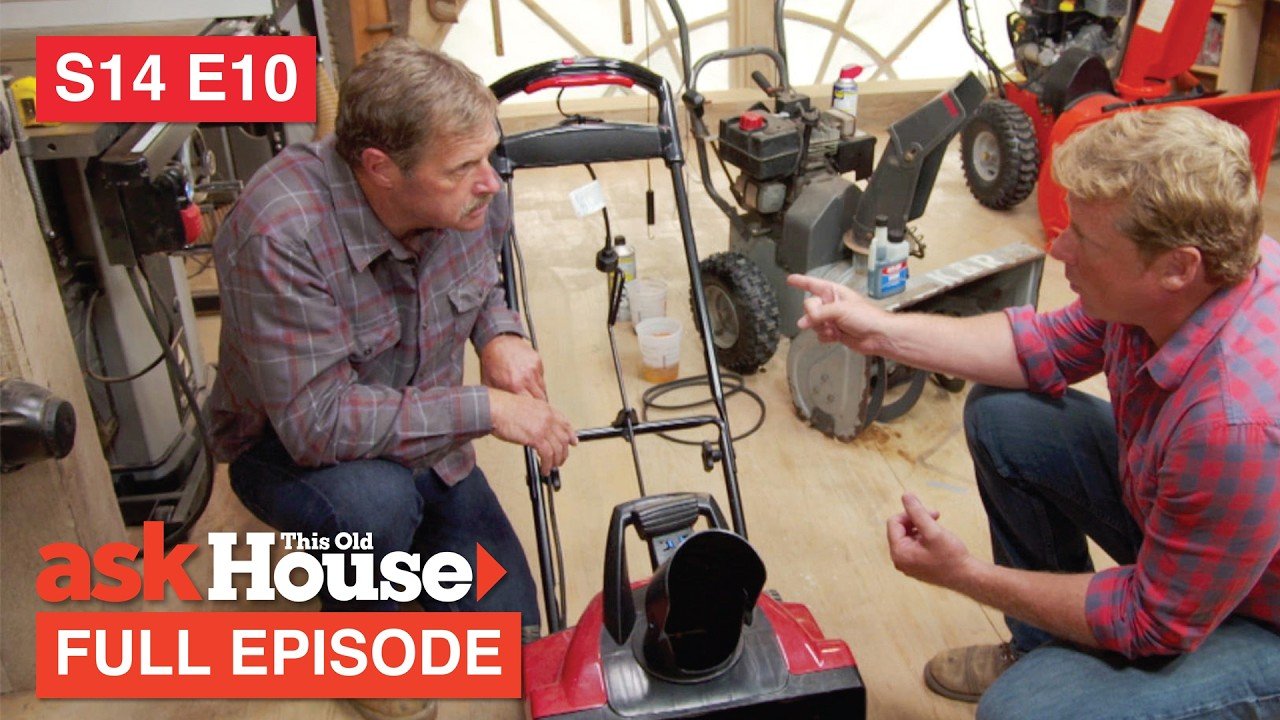
For snow blowers, Roger Cook said fuel causes the most trouble because ethanol grabs water and settles in the tank. Options are a stabilizer, good for 60 or 90 days, or engineered ethanol-free fuel that lasts three years. He also checks oil, spark plug, pull cord and belts, and carries a spare shear pin, which snaps to protect the gearbox. Never put hands in the auger area, and wear hearing protection.
Questions this video answers
What causes an ice dam?
Melting snow on the roof runs down to the cold overhang, freezes and builds a block of ice. Water backs up behind it, gets under the shingles and enters the house.
How does the heat cable know when to turn on?
The sensor needs the temperature to be below 38 degrees and moisture on the sensing lead.
How big was the heat cable and how much power does it use?
The cable is 60 feet long and uses about 300 watts.
How often should a furnace filter be changed?
At least once per season, and more often with pets.
What do shear pins on a snow blower do?
They snap if the machine hits something, protecting the gearbox, and can be replaced.
Explore related projects
Connected by the topic: Electrical