12×12 Paver Patio on Interlocking Base Panels, Step by Step
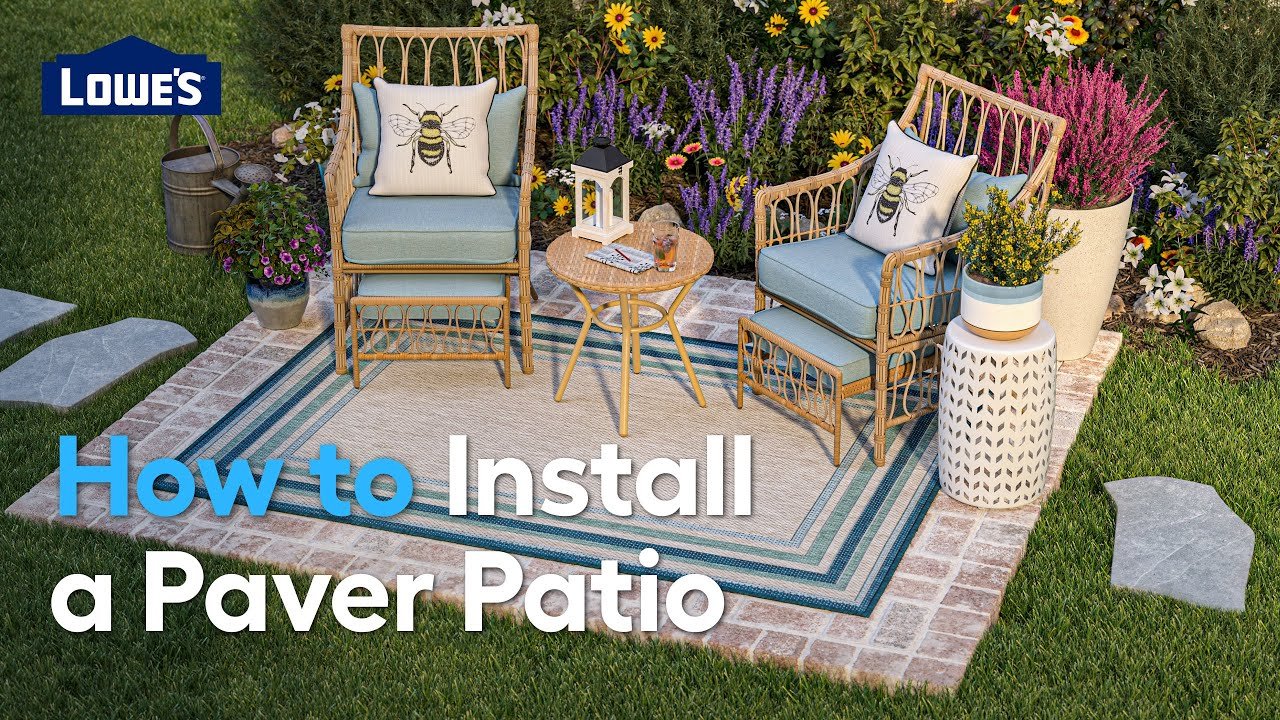
The short version
A landscape designer walks a homeowner through installing a 12 by 12 paver patio with 10 by 12 inch hexagonal pavers. Instead of a traditional six inch gravel base, the project uses interlocking paver base panels over a three inch dig, landscape fabric and leveling sand. The video covers layout, cutting border stones, edge restraints, polymeric sand and backfilling.
Full written account
How do you build a patio without digging out six inches of gravel? A landscape designer named Michael shows one answer on a 12 by 12 backyard patio for a homeowner named Peter: interlocking paver base panels in place of the traditional gravel base.
Planning the patio
The first step was sizing the patio so all the outdoor furniture fits with room left for walking. Because there were no large items such as a hot tub, a standard-size paving stone worked, and a 12 by 12 patio suited the homeowner's needs. Paver choices vary in size, shape and pattern. Jack on jack and running bond layouts with six by nine inch pavers are simple to install, while herringbone or pinwheel patterns require more cutting. This project uses a simple pattern of 10 by 12 inch hexagonal pavers.
Traditional base versus panels
The traditional process calls for a six inch layer of gravel paver base, then a one inch layer of sand, then pavers, finished with polymeric sand in the joints. The alternative here is interlocking paver base panels, described as lightweight, needing less digging, and letting the pavers sit right on top.
Layout and excavation
The layout is marked with string and wood stakes. It is square when the diagonals are equal, and the strings should be level. The patio needs a slight grade so water runs off, and a four foot level helps check the slope. Total depth depends on the paver height plus the base panels; the pavers should sit at or a little above ground level. The crew digs a little beyond the strings, about three inches deep, then hand tamps the area thoroughly.
Fabric, sand and panels
Landscape fabric goes down next, extending slightly beyond the paver area to minimize weeds. Leveling sand is poured over it and screeded with PVC pipes and a 2×4 for a smooth surface. Panels start along an edge, with the side flanges overlapping for stability, and are laid in a staggered, brick-like pattern. A razor knife trims curves or long edges.
Pavers, edging and sand
The pavers go directly on the panels. Starting along the edge, a string set low to the ground keeps the first row straight, and work continues toward the middle, always leaving a gap between blocks. Border stones are measured, marked and cut with a circular saw with a concrete blade, or a wet saw as an alternative.
Edge restraints are laid directly on the panels and secured with 8 to 10 inch landscape spikes hammered through the panels. Polymeric jointing sand, which has additives that provide a better bond, is swept into the joints and settled with a hand tamper, repeating as needed. A leaf blower removes the excess to prevent hazing, and a light spray from a hose activates the polymer. Finally, the excess weed barrier is cut and the area around the patio is backfilled with the soil dug out earlier.
Questions this video answers
What size patio does the video build?
A 12 by 12 patio, using 10 by 12 inch hexagonal pavers.
What is the traditional base for a paver patio?
A six inch layer of gravel paver base, then a one inch layer of sand, then pavers, finished with polymeric sand in the joints.
What base does the video use instead of gravel?
Interlocking paver base panels, which are lightweight, need less digging, and let the pavers sit right on top.
How deep is the excavation?
About three inches, digging a little beyond the strings.
How are the pavers cut?
With a circular saw with a concrete blade, or a wet saw as an alternative.
How is the polymeric sand activated?
Excess is removed with a leaf blower to prevent hazing, then the patio is lightly sprayed with a hose.