Furnace Filter Swap: Direction, Rating and How Often to Change
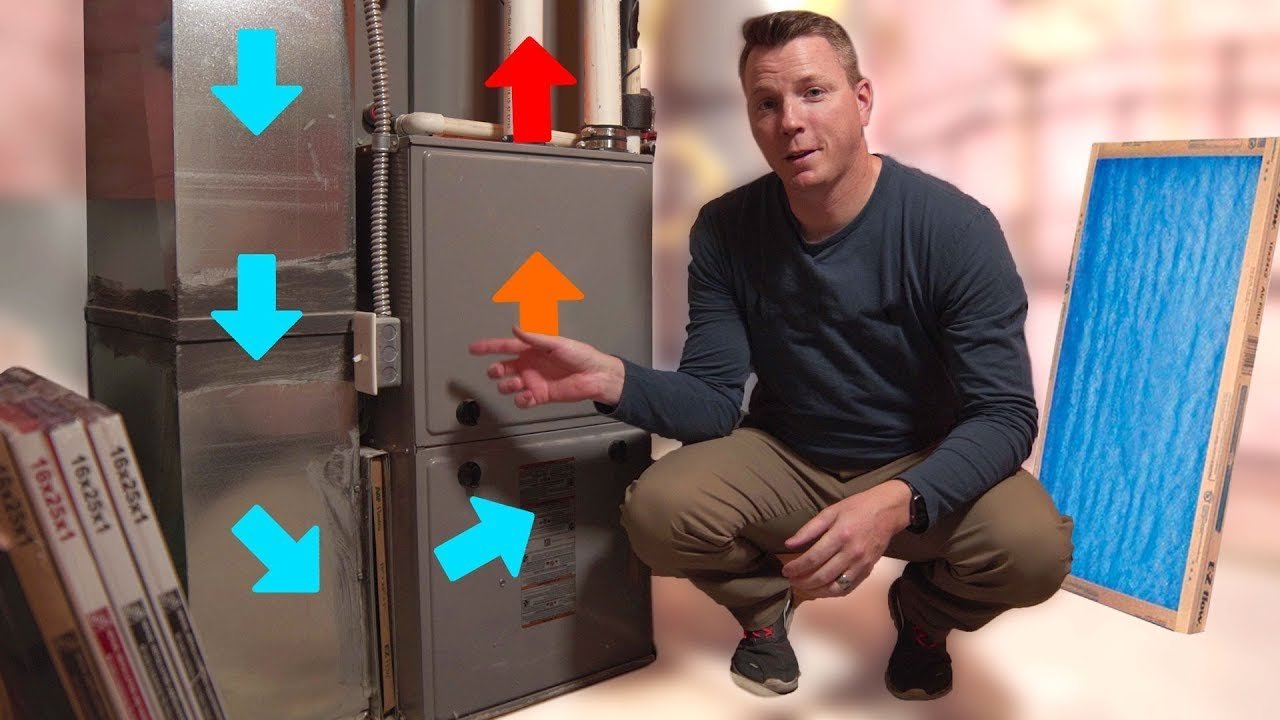
The short version
A walkthrough of changing a furnace or AC air filter: turn the unit off, find the filter, match the airflow arrow to the furnace, choose a MERV or FPR rating, and replace it. It also covers replacement timing, sizing, and marking the date on the new filter.
Full written account
How do you change a furnace filter properly? The steps start with shutting the unit off and end with turning the power back on, with a few choices in between that decide how well the filter works.
Turn the unit off
Most modern units have a switch; flipping it off is enough. Doing this before removing the filter keeps loose debris from shaking out into the system. Without a switch, the thermostat can be set to off mode, and if that fails the unit's circuit breaker can be flipped.
Find the filter and set the direction
The filter is almost always between the big return plenum and the blower or main unit. In some rare cases it is behind one of the air returns in the home, where the return unlatches and the filter sits behind it.
The airflow arrow on the filter should point toward the furnace and blower, so air enters, passes through the filter, and goes into the furnace. The netting on the back side should also face the furnace, which helps keep the filter from being sucked in or collapsing if it clogs with debris. A Sharpie arrow drawn on the plenum shows the direction for future filters.
Choosing a rating
Filters carry a MERV or FPR rating. The higher the number, the more is filtered out, but the less airflow gets through. Most technicians recommend something in the middle to low end. The green filters in the demonstration are among the lowest rated and least expensive, and let the most air through; they are replaced every three to four weeks. Someone sensitive to allergens, pollen or pet dander may benefit from a higher rating. Buying in bulk saves money.
How often to replace
Many filters claim up to 90 days of airflow performance, but the key words are "up to". Cheap fiberglass filters, rated around four, are meant for up to 30 days, so changing them on the first of the month is a good habit. Pets, how often the system runs, heating or cooling, and the surroundings such as new construction all change the interval.
If the house won't heat or cool enough, restricted airflow may be the cause. A cheaper fiberglass filter lets more air through and can help the unit in very hot or cold weather, after which the previous mid-grade filter can go back in.
Size and finishing
The right size matters: a filter that is too small lets unfiltered air go around it and debris into the system. Writing the size on the plenum saves pulling the filter when shopping. In the demonstration an FPR 7 filter replaces the old one, with the airflow arrow checked and the replacement date written on it. An optional adhesive whole-home air freshener can be stuck to the filter. Last, the power is switched back on, and spare filters are kept next to the furnace.
Questions this video answers
How do I turn off the furnace before changing the filter?
Turn off the unit first with its switch, set the thermostat to off, or flip the unit's circuit breaker, so loose debris from the filter doesn't shake into the system.
Where is the furnace filter located?
It is usually between the large return plenum and the blower or main unit. In some cases it sits behind one of the air returns in the home.
Which way does the filter go in?
Point the airflow arrow toward the furnace and blower. The netting on the back should also face the furnace.
How often should I replace it?
Cheap fiberglass filters are meant for up to 30 days, so the video suggests changing them on the first of the month. The video's own green filters are changed every three to four weeks. Many filters say up to 90 days, but the video says to check them regularly.
What filter rating should I choose?
Higher MERV or FPR ratings filter more but let less air through. Most technicians recommend middle to low end, and a higher rating may help if someone is sensitive to allergens.